
Our History
ABOUT
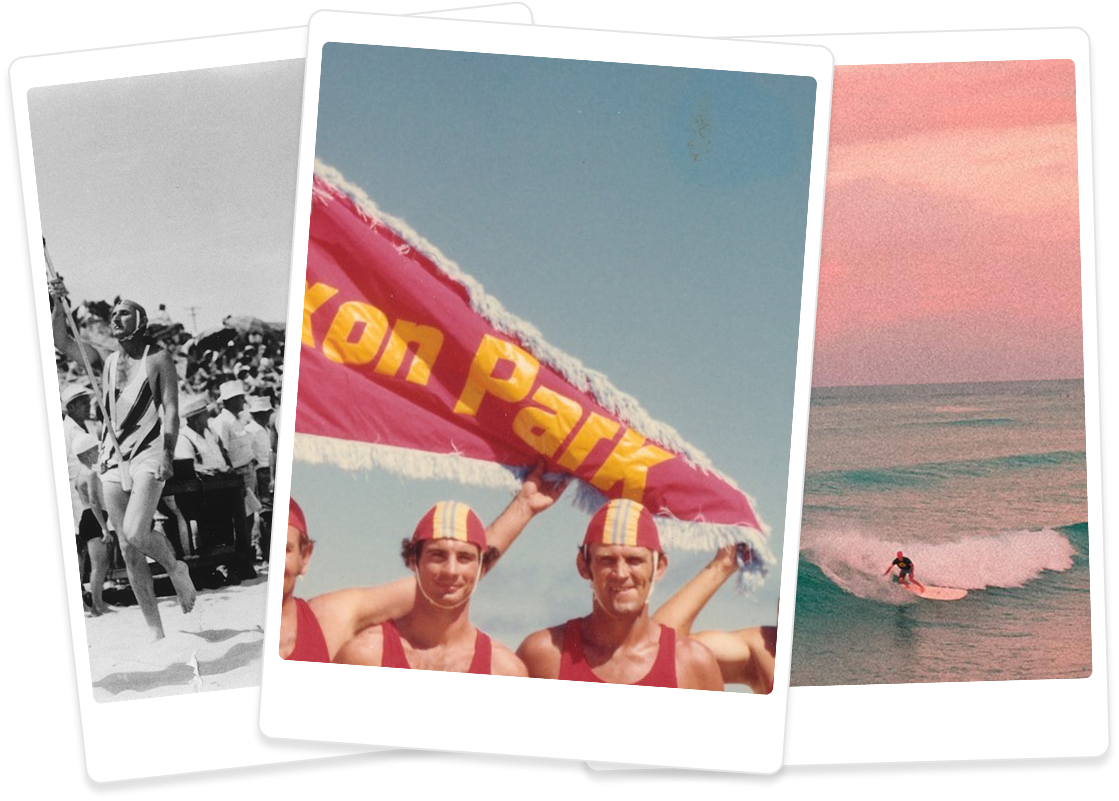
90+ years of service, community, and locals looking after their beach.
Since 1932, Dixon Park Surf Life Saving Club has been woven into the fabric of Newcastle's coastline—through world wars, cultural shifts, competitive triumphs, and countless changes to how surf lifesaving operates. What started with a handful of volunteers and basic rescue equipment has grown into a modern surf club. But the mission hasn't changed: locals stepping up to look after their beach and their community.
1930s-1940s
The Early Years
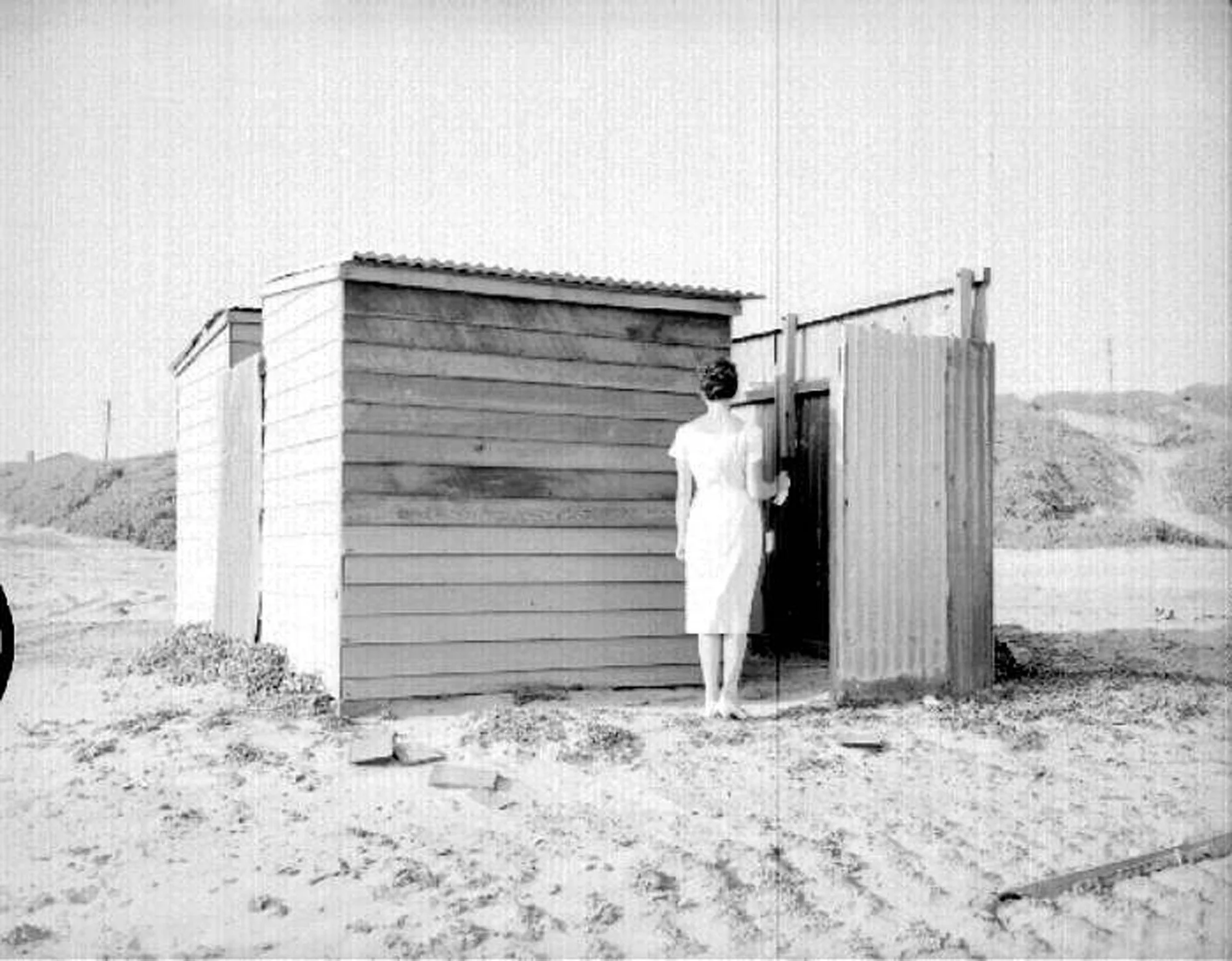
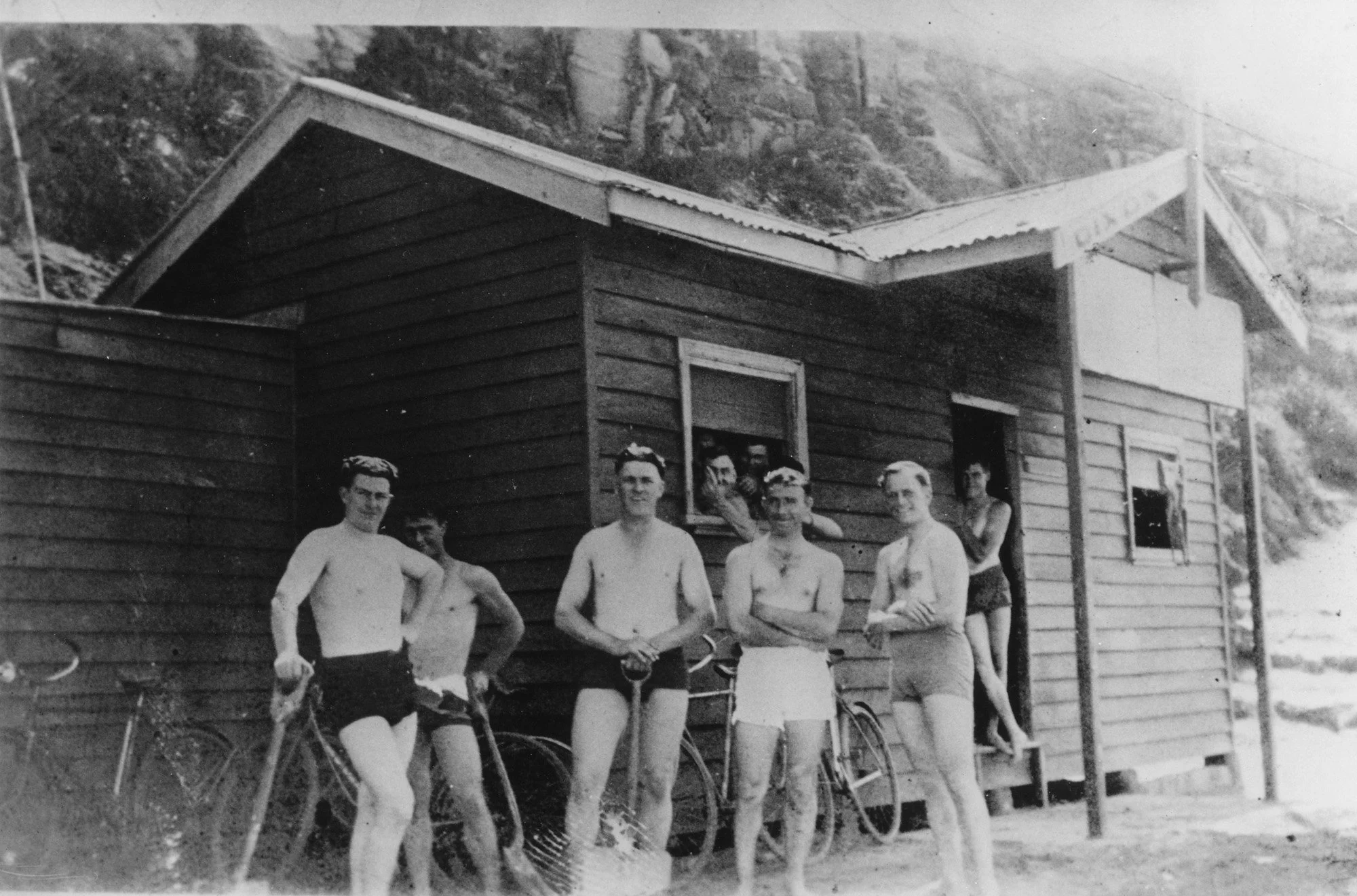
Dixon Park SLSC was formed in 1932, during the tail end of the Great Depression. For the first two years, members met at a hole in the sand. In 1934, the club's first structure—a basic shed—was transported to the beach.
It was an inauspicious beginning by today's standards, but significant for a community still recovering from economic hardship.
The club survived the war years of the 1940s, and by 1946-47, members built the second clubhouse themselves—timber by timber, nail by nail. These builders, now in their late 80s and 90s, laid the foundation for everything that followed. A veranda extension was added in 1950.
1950s
Building Strength
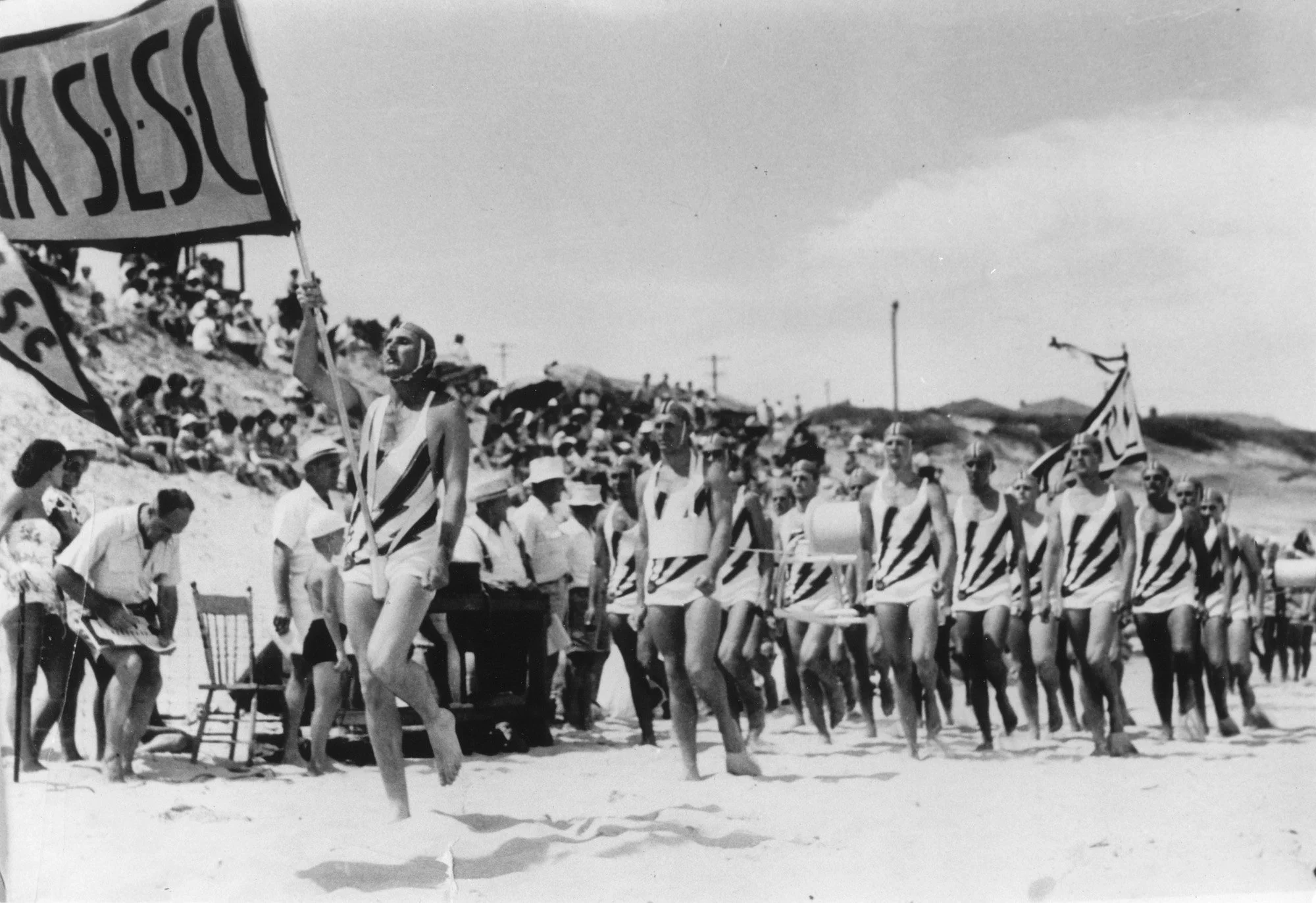
The 1950s was a decade of consolidation. The club built membership, developed competitive strength, and began establishing itself as a force in surf lifesaving.
Competitive milestones:
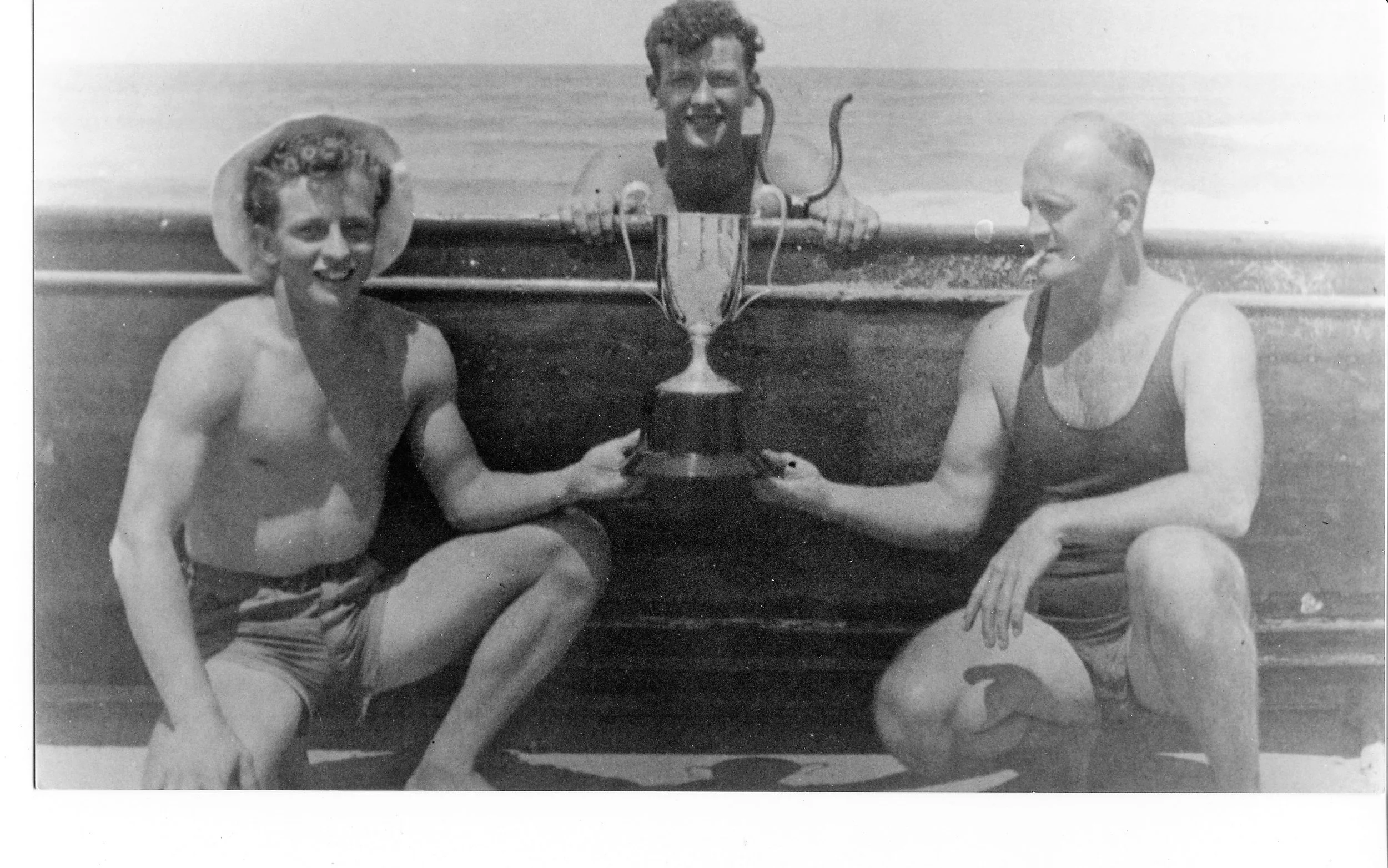
Bill McIntosh won the club's first State and Australian Gold Medals in single ski (1950)
Frank 'Togo' Okulich followed with his own State and Australian medals (1951)
State Chariot Race Silver Medal (1955)
Brian Coxhall won State and Australian medals in Beach Sprint
The club purchased its first surf boat in 1950. A second boat was severely damaged in the devastating 1955 Maitland flood.
1960s
The Clubhouse That Changed Everything
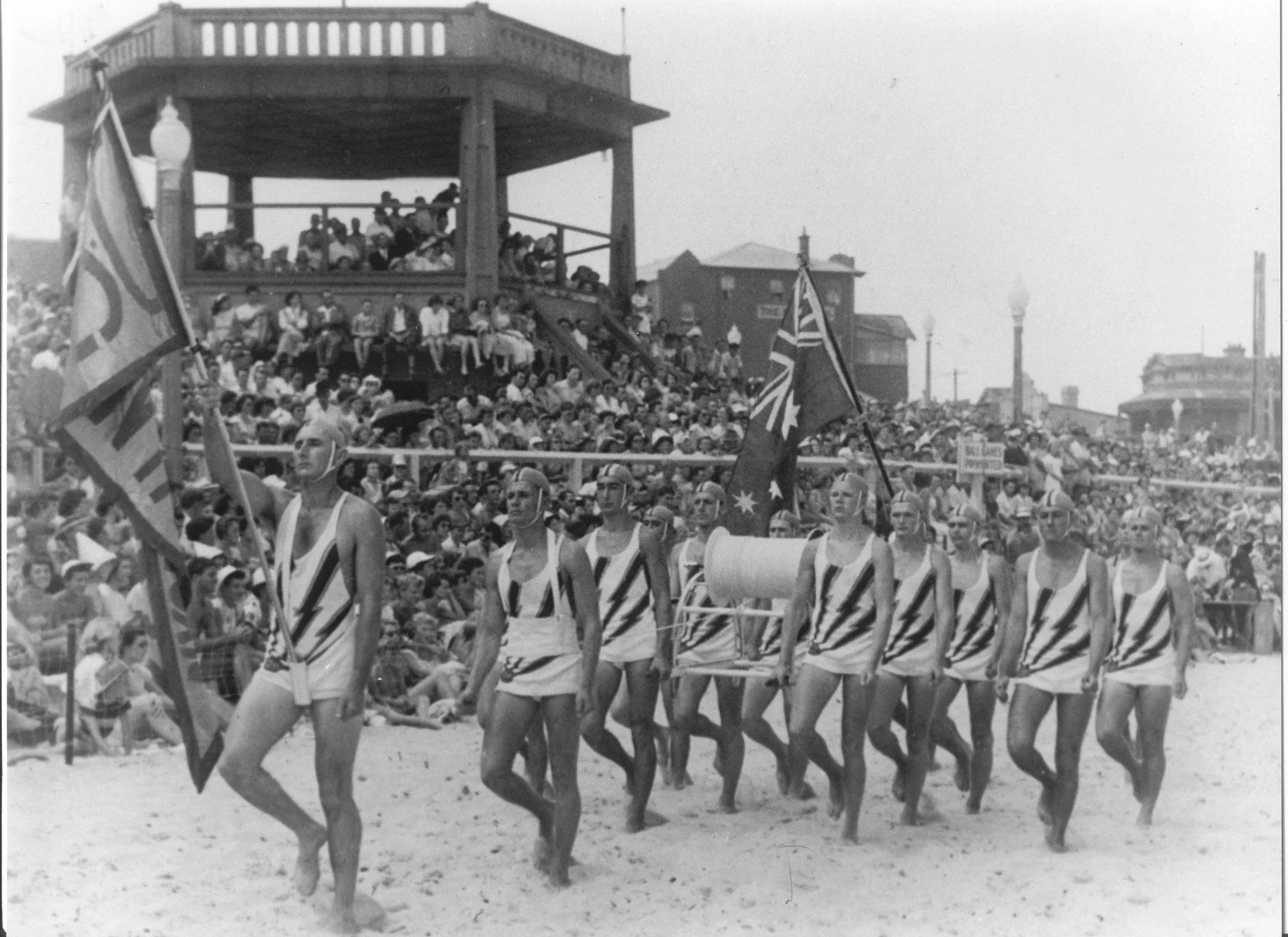
The 1960s culminated in one of the most significant decisions in Dixon Park's history: the construction of the third and current clubhouse, officially opened in 1969.
Originally planned as a single-storey structure, the design was upgraded to include a second storey thanks to the persistence of Peter Woodward and his committee. The council contributed $6,000, and the club contributed $11,000 to the total build cost of $22,000.
That second storey—fought for and won—became the legacy asset the club still relies on today. It houses the function space that provides financial security, community connection, and a venue with one of the best views on the Newcastle coastline.
1970s
A Golden Era
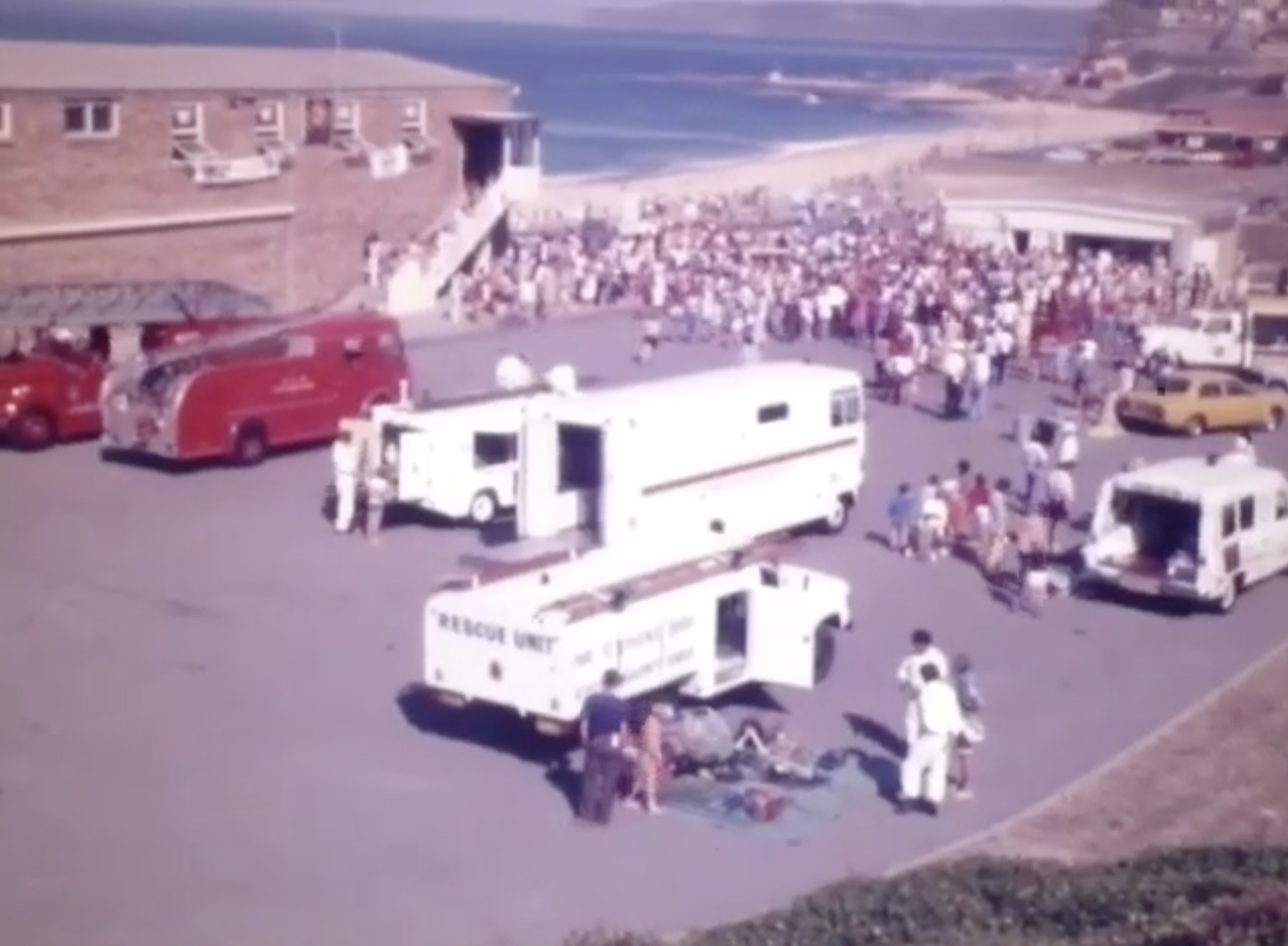
The 1970s rank as one of the most significant decades in Dixon Park's history—both operationally and competitively.
Infrastructure developments:
1971: Dixon Park became the first club in the branch to launch an IRB
1972: Built the first Boat Shed at Horseshoe Beach
1974: Built the Nippers shed (later used as female change rooms)
1975: Mini Jet Rescue Boat launched
1975: Dixon Park became the first and only surf club in NSW to attain a full liquor licence
Competitive success:
The club attracted and nurtured a very strong competitive team during this decade. Robbie Wood was the standout—winning multiple State and Australian individual titles in board and ski events. He had represented Australia in the first World Surfing Competition at Manly in 1964.
The defining moment:
Dixon Park's 1976 State Taplin Relay victory. A Taplin Relay requires two ski paddlers, two board paddlers, and two swimmers—demonstrating the club's competitive depth across disciplines.
1976 also marked the beginning of Dixon Park's successful era in surf boat competition, which would continue into the next decade.
1980s
Growth & Challenge
The 1980s was a decade of contrasts—massive growth, competitive success, and operational complexity.
On the beach:
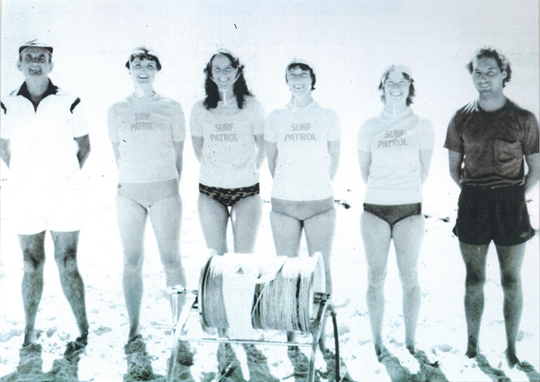
Dixon Park had more active members (20 patrols) than any other club in Australia in the early part of the decade. This growth was driven by strong leadership under John Tongue and the success of the licenced club upstairs.
Dixon Park also had its first female Bronze squad in 1982—a significant cultural shift for surf lifesaving.
Competitive highlights:
First Branch Boat Title (1981)
State Open Boat Title (1989)—the crowning achievement of a moderately successful surf boat era
IRB competition success, with Dixon Park winning its first State medals
Hosted the State IRB Titles (1984) and inaugural Branch IRB Titles (1985)
Won the Branch Patrol Point Score three years in a row (1982-83, 1983-84, 1984-85)
The challenge:
Running a licenced club upstairs required two committees—a surf and beach committee for patrols and competition, and a management committee to run the business operations. The dual structure stretched leadership resources thin. While there were many successful years, the licenced club ceased trading in 1989.
1990s
Reinvention & Resilience
The 1990s was a decade of reinvention. Under Dave Ringland's leadership, a small band of dedicated members began reshaping the upstairs space as a function venue—leveraging the second-storey addition from 1969 to generate income and secure the club's financial future.
On the beach:
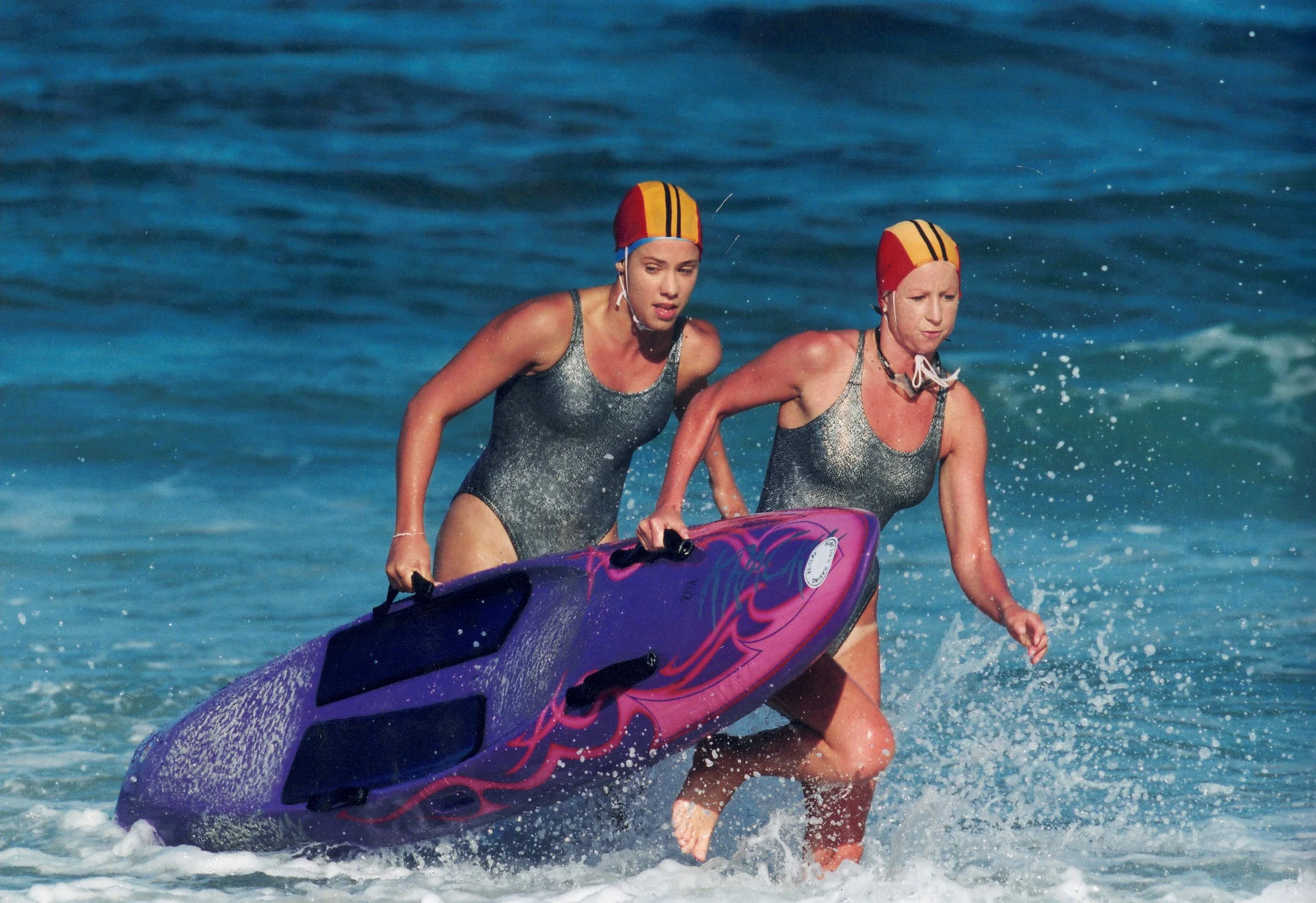
Patrols and competition continued successfully. The IRB team remained competitive at state level, and the club won its first Nippers State Medal when Greer James Simpson placed 2nd in the Board Relay.
Masters competition emerged within Surf Life Saving Australia, and Dixon Park built a formidable team that would eventually win the State Masters Point Score in 2000.
2000s
Stability & Success
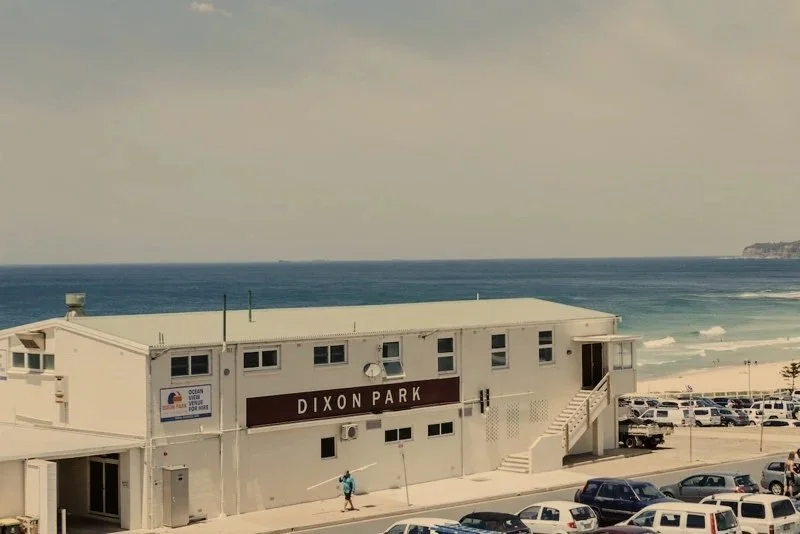
The addition of the veranda in 2004 was a game-changer, greatly improving the club's ability to operate the function space and achieve financial security.
Competitive highlights:
Ryan Norrie emerged as an outstanding competitor, winning State and Australian Belt titles
A competitive group of female competitors strengthened the club's depth
Surf boat section re-emerged when Trevor Dyson and Perry Sparkes (from Swansea Belmont) were coaxed out of retirement in 2006
Australian Masters Boat Title
Open Boat crew placed 3rd at State level (2009), finishing on the same wave as 1st and 2nd
2010s - Present
The Modern Era
Surf lifesaving has changed significantly. Patrol uniforms, stringent proficiency requirements, females in senior leadership roles, formalised qualifications, radios, ATVs, audited financial reports, and governance frameworks all reflect the professionalisation of the movement.
A major building upgrade was completed in 2019, improving accessibility and providing modern facilities for the club and community.
Through it all, Dixon Park has adapted while staying true to its mission: community service, volunteer commitment, and locals looking after their beach.
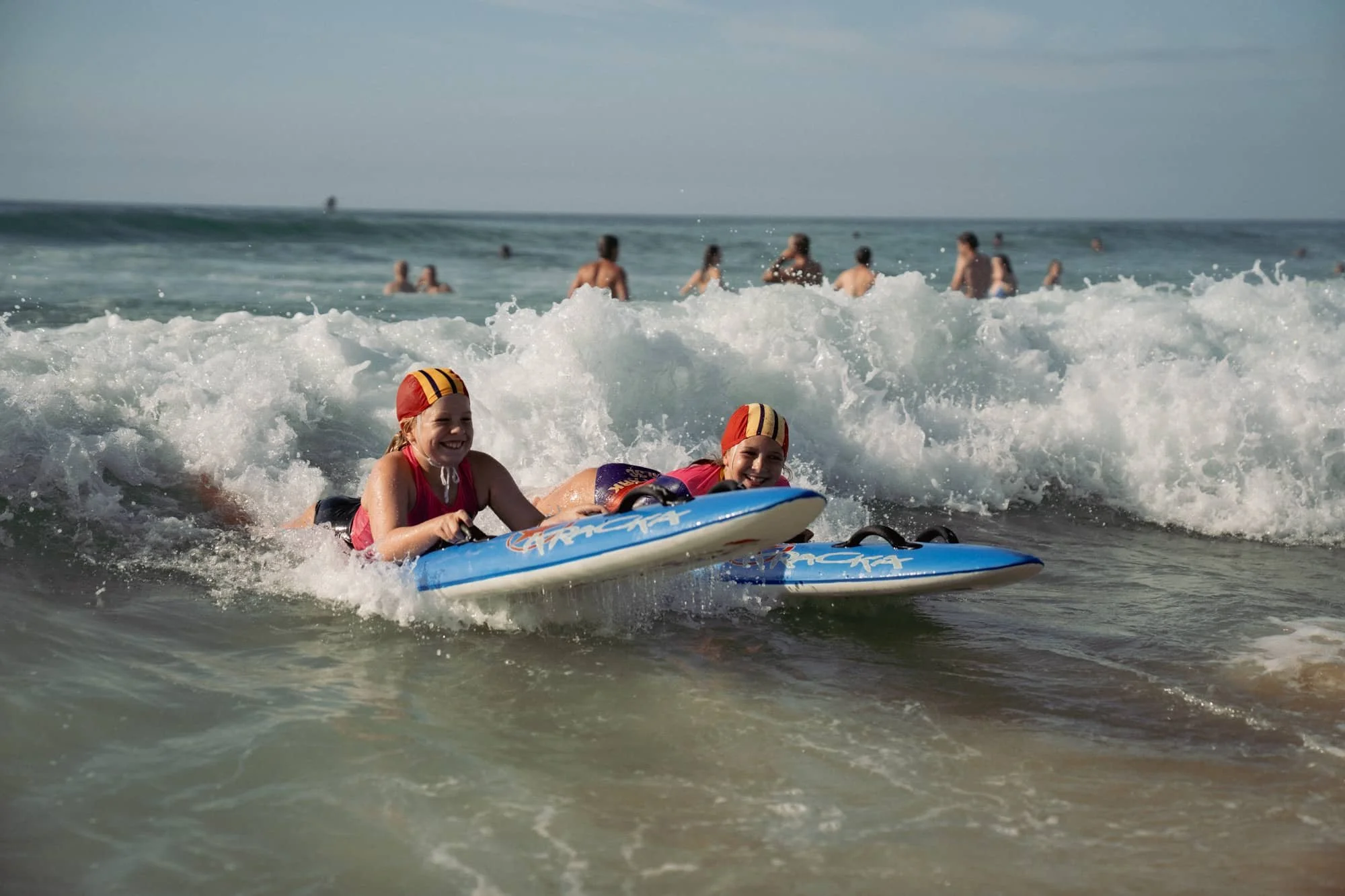
Today, the club continues to train new generations of lifesavers, run one of the strongest Nippers programs in the region, compete at branch and state level, and serve Dixon Park Beach every patrol season.
Our Legacy Continues
Since 1932, Dixon Park has been training lifesavers, responding to emergencies, and serving this stretch of coastline. What started with a handful of volunteers and basic rescue equipment has grown into a modern surf club—but the mission hasn't changed: locals looking after their beach and their community, generation after generation.
Some of our current members are third-generation lifesavers—their grandparents patrolled this same beach decades ago. The equipment has changed, the methods have evolved, but the commitment hasn't.
This is Dixon Park. And the story continues.