
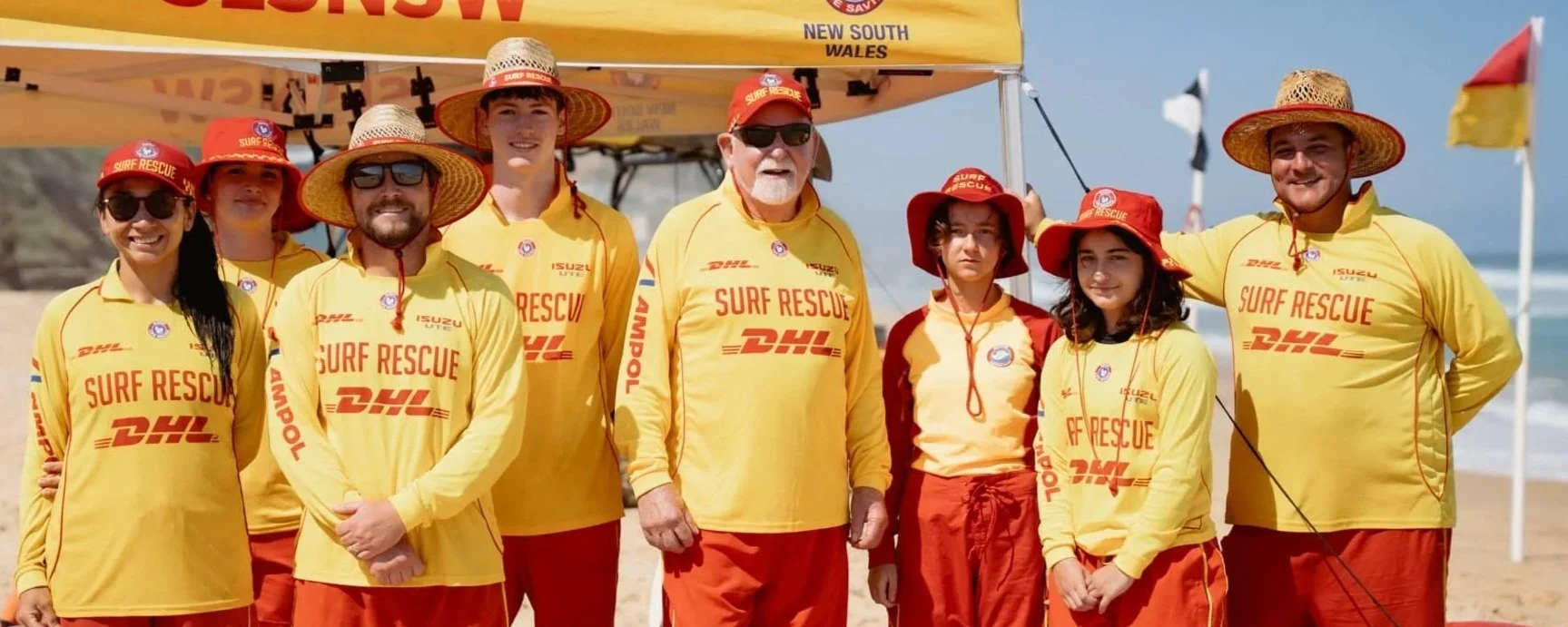
Save lives. Build confidence. Be part of something bigger.
About Surf Life Saving ….
Surf lifesaving at Dixon Park is about awareness, communication, prevention, and presence. It's showing up, staying alert, and being there when someone needs help.
Most of the time, being a lifesaver means spotting potential problems early, helping people make safe choices, and working as part of a team. Occasionally, it means responding to an emergency with skills you've trained for.
❋ Whether you're 15 or 75, new to the surf or a lifelong ocean swimmer, there is a pathway for you.
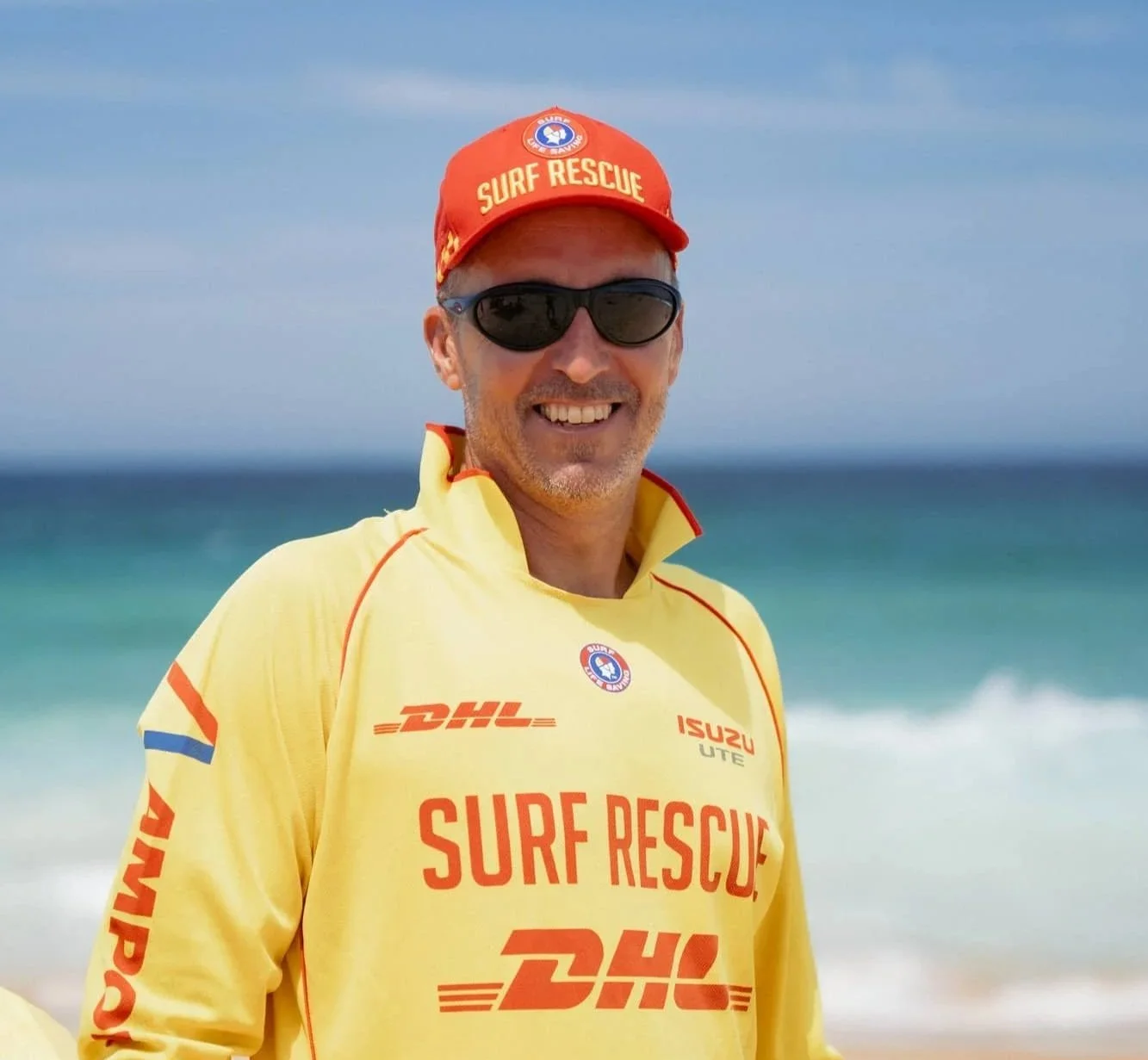
What Lifesavers Actually Do …..
Dixon Park SLSC is entirely volunteer-driven.Lifesavers patrol Dixon Park Beach in rostered teams from early October to late April, keeping beachgoers safe through prevention, observation, and response.Monitor beach conditions and identify hazards (rips, marine life, changing surf)Set up and maintain safe swimming areas with flagsCommunicate with the public about beach safetyRespond to incidents and provide first aid when neededWork as part of a patrol team using radios, rescue boards, and other equipmentSupport each other and make decisions together
Patrols run on weekends and public holidays.
Purpose and contribution — Your time makes a real difference to beach safetyConfidence in and around the ocean — Built progressively through training and experiencePractical skills you'll carry for life — Rescue, first aid, teamwork, leadership, decision-making under pressureStrong friendships and community — Patrol teams become tight-knit groupsChallenge and growth — Physical, mental, and personal developmentTime outdoors doing something that matters — Beach, surf, sunshine, and service
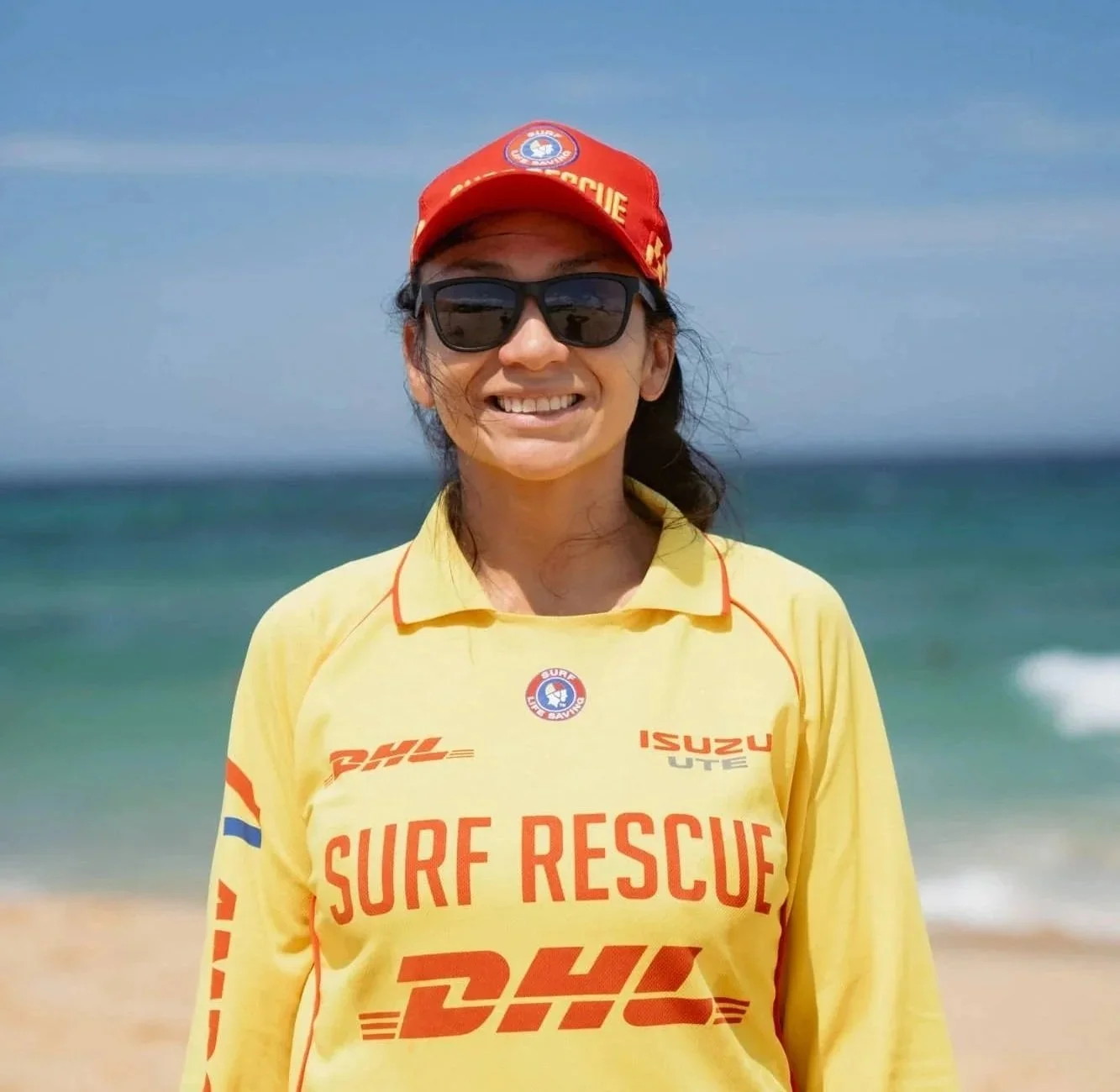
Why People Become Lifesavers
For many members, the club becomes a second home—a place to belong, contribute, and be part of a legacy that stretches back over 90 years.How to become a Lifesaver
Becoming a lifesaver starts with training, then leads to patrolling and ongoing skill development.
Step 1: Bronze Medallion
The Bronze Medallion is the entry-level qualification for surf lifesavers aged 15 and over.
You don't need prior surf experience—we build your capability progressively through training.
-
Surf awareness and reading beach conditions
Rescue techniques (board rescues, tube rescues, patient recovery)
First Aid and CPR (nationally recognised HLTAID011 certification)
Radio operations and patrol procedures
Communication and teamwork under pressure
-
Self-paced online theory modules
Weekly practical sessions at Dixon Park (beach and clubrooms)
Assessment covering rescue scenarios, CPR, radio comms, and theory
-
Minimum age 15 on day of final assessment
Complete 400m pool swim in 9 minutes or less (unaided, goggles permitted)
Be a financial member of Dixon Park SLSC
-
Active membership: $100
Bronze Medallion course fee: $50 (includes First Aid qualification)Item description
Step 2: Join a Patrol Team
Once qualified, you'll join a patrol team and start contributing to beach safety at Dixon Park.
Patrols run on a 5-week cycle—you'll patrol the same day each cycle (e.g., every 5th Sunday, then the following Saturday).
You're rostered with your team, trained alongside experienced lifesavers, and supported every step of the way.
Step 3: Build Skills (If you want to)
From there, you choose your own path.
Many members patrol happily for years without pursuing further qualifications. Others expand their skills with advanced training.Pathways include:Advanced Resuscitation Techniques (ART) — Oxygen therapy, suction, advanced airway managementIRB Crew Certificate — Crewing inflatable rescue boats for faster, more capable rescuesIRB Driver — Commanding and driving IRB operationsPatrol Captain — Leading patrol teams and managing beach operationsSurf sports competition — Racing, board events, IRB racing at club, state, and national level
Training for younger members
Surf Rescue Certificate (SRC) — Ages 13-15
The SRC is the foundation surf rescue qualification for teenagers aged 13-15.
It teaches basic rescue skills, surf awareness, CPR, radio communications, and teamwork—preparing young members to support patrol teams and progress toward their Bronze Medallion when they turn 15.
What you'll learn:
Basic rescue techniques and surf awareness
CPR and emergency response
Radio operations and beach signals
Patrol support and teamwork
Entry requirements:
Minimum age 13 on day of final assessment
Be a financial member of Dixon Park SLSC
Once qualified, SRC holders become Cadet Surf Lifesavers and can assist with patrols under supervision
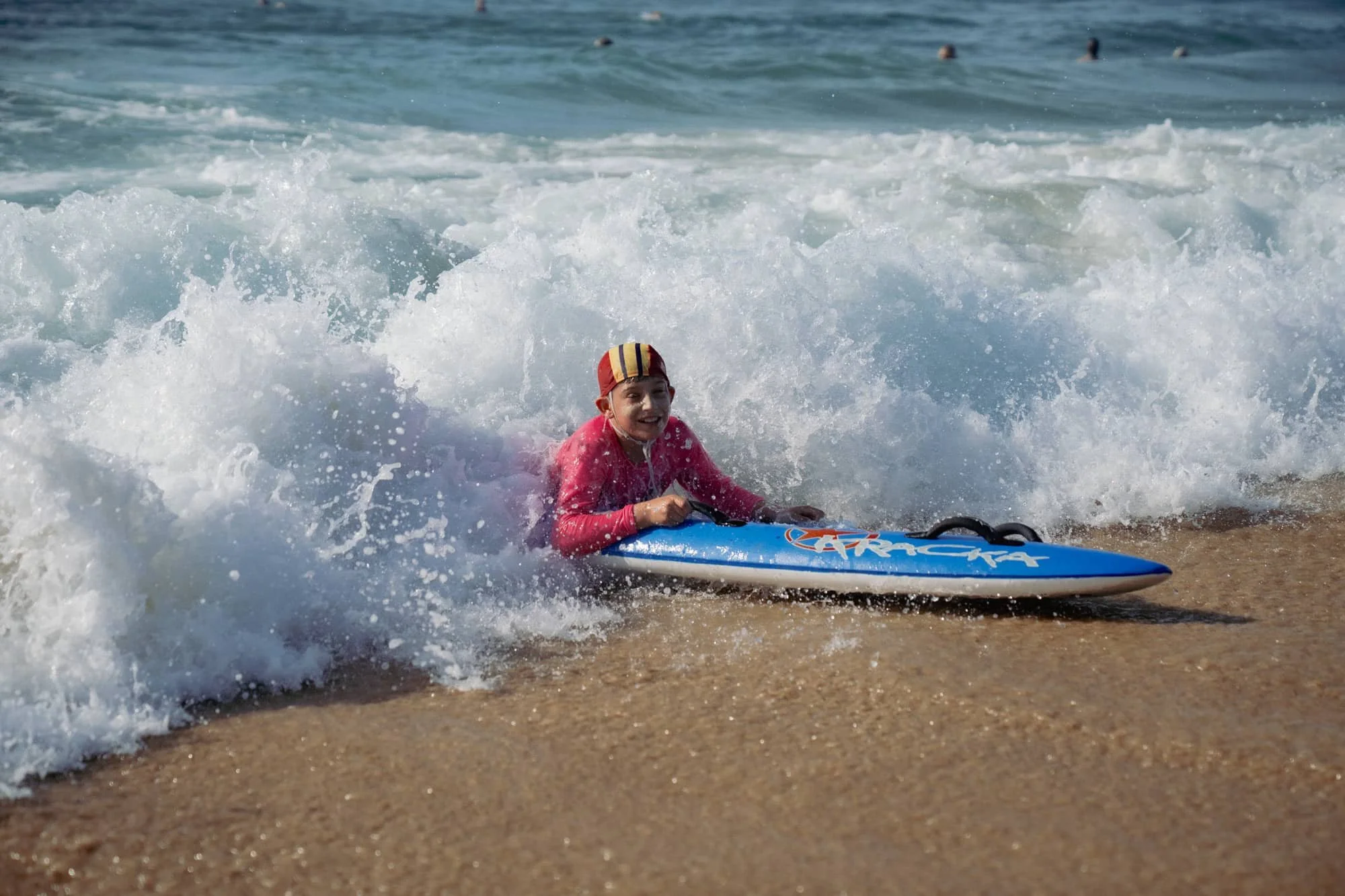
Ready to start?
If you're curious about becoming a lifesaver, the first step is simple: register your interest.We'll let you know when the next Bronze Medallion or SRC course is scheduled, answer your questions, and help you work out whether it's right for you.Have a question about training or lifesaving?